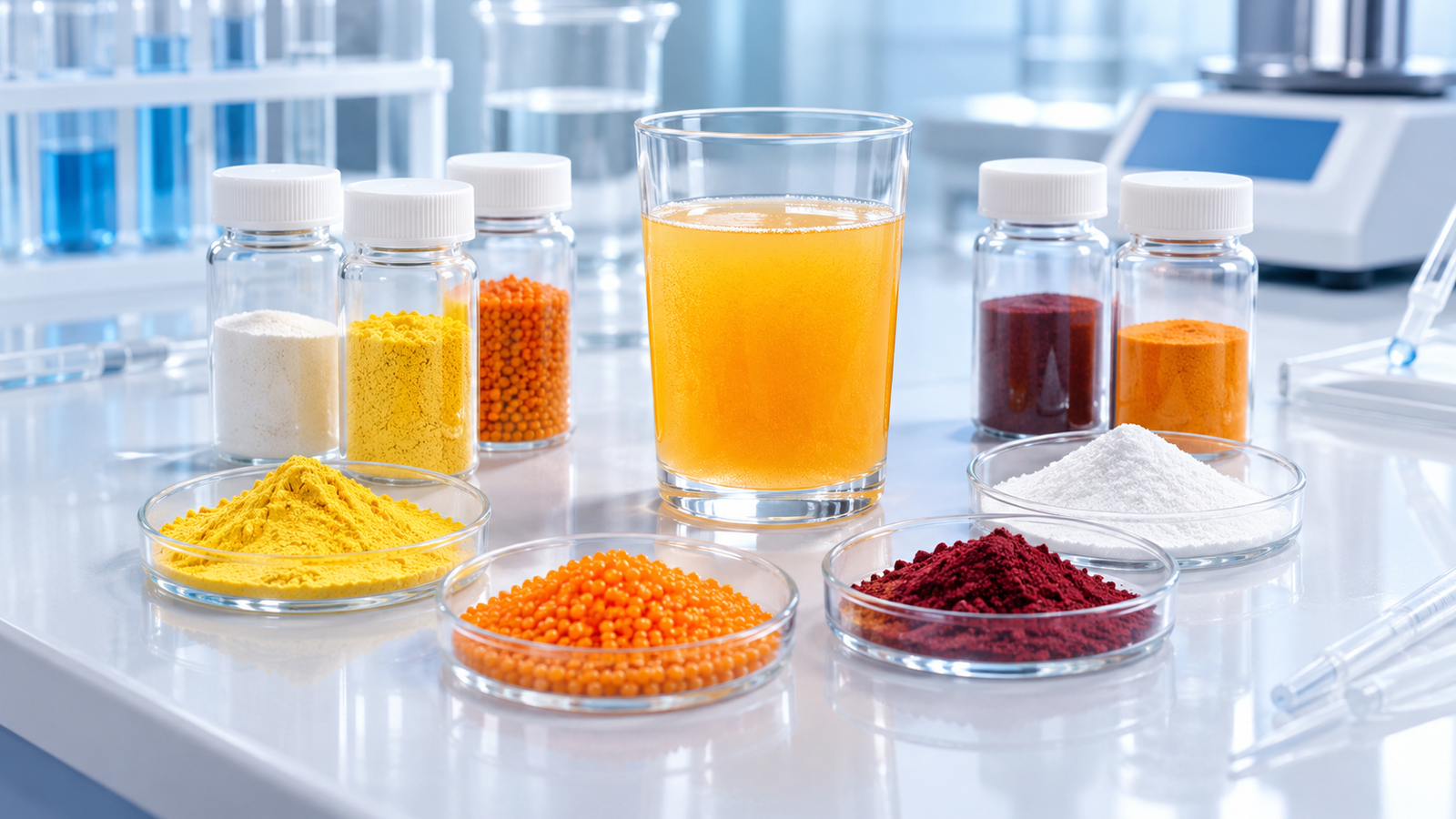
Spice oleoresins have long been used by the food industry to deliver consistent flavour, colour and pungency. An oleoresin is a concentrated spice extract that holds the compounds giving each spice its character: capsaicinoids in chilli, piperine in black pepper, gingerols in ginger and curcuminoids in turmeric. Paprika oleoresin follows the same principle, although it is valued mainly for its red colour.
In recent years, these extracts have also found a place in nutraceutical formulations. That shift has brought new demands. In liquid form, oleoresins are thick, sticky and highly concentrated, which makes them difficult to weigh accurately, hard to blend and unpleasant to handle. Powder grades are designed to make them behave like any other dry ingredient.
Standardisation Defines What Is Being Bought
Oleoresins are traded on their key compound rather than on weight alone. Two powders that look identical can differ several-fold in strength, so grades are best compared on the same marker.
| Oleoresin | Typical standardisation marker | What it drives |
|---|---|---|
| Capsicum | Capsaicinoids (% or Scoville heat units) | Pungency and heat |
| Black pepper | Piperine (%) | Pungency; often paired with curcumin in supplements |
| Ginger | Gingerols and shogaols (%) | Warm pungency and aroma |
| Turmeric | Curcuminoids (%) | Colour and active content |
| Paprika | Colour value | Red colour intensity |
Paprika is the exception in this list. It is usually chosen as a colour, which is specified and regulated differently from nutraceutical actives such as piperine or capsaicinoids.
Carrier-Based or Encapsulated: What the Label Does Not Tell You
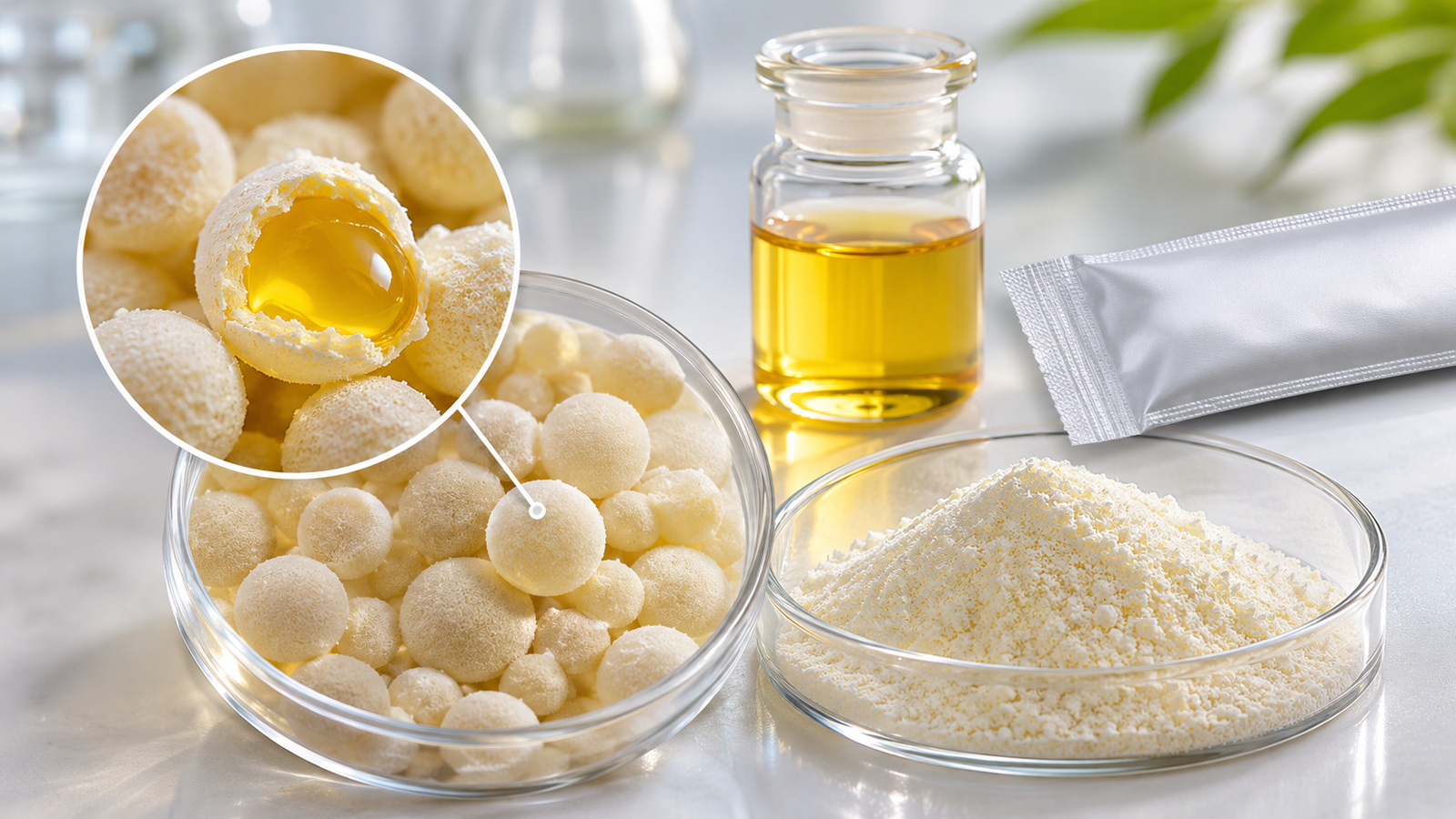
Buyers often ask how a spice extract on a carrier differs from an encapsulated oleoresin. In practice, the label alone says little. Powders sold under either description vary widely. Some carrier-based powders handle and store well, while some encapsulated grades protect the active but disperse poorly.
A more useful approach is to judge the grade on how it performs. The following questions help frame that assessment:
- Standardisation: What marker level is declared, and by which method?
- Sensory exposure: How pungent or aromatic is the grade during weighing, filling and use?
- Storage stability: What data supports retention of the active, colour and sensory profile?
- Handling: How does it flow, dust and blend?
- Dispersibility: Does it meet the mixing needs of the application, if it needs to disperse at all?
- Consistency: Are results reproducible from batch to batch?
The answers will weigh differently by product. A seasoning blend may only need accurate dosing and good flow. A supplement capsule, sachet or chewable, where pungency on opening or in the mouth matters, usually calls for evidence on sensory exposure and storage stability as well.
Where Oleoresin Powders Fit in Nutraceuticals
Black pepper extract is widely used alongside curcumin in capsule and tablet formulations. Capsicum extracts appear in capsule formats where pungency must be contained, while ginger and turmeric oleoresins are found in botanical supplements and functional drinks. Paprika oleoresin, meanwhile, serves as a natural colour in functional foods.
Any health or performance positioning for a finished product requires its own regulatory and scientific support in each market.
Preparing a Specification Request
A well-prepared request helps a supplier recommend the right grade the first time. It typically covers the oleoresin type and marker level required, the finished format, and which property must be controlled, whether pungency, colour, aroma or dosing accuracy. Flow and particle size needs, declarations such as allergen and vegan status, and the documents required, including a specification sheet, certificate of analysis and safety data sheet, complete the picture.
Partner With IntoNaturals
Spice oleoresins are part of our Oleoresins & Oil Powders range, and current grades are listed on the ingredients page. For pungent actives in supplements, CapsaPura (capsicum) and PipePura (black pepper) are developed to make pungency easier to manage in finished products. Each product page lists its current specifications and certifications.
Working with a pungent or colour-sensitive spice extract? Contact our team with the oleoresin, marker level and format, and we will suggest a grade to test.
Contact Us →Frequently Asked Questions
What is paprika oleoresin?
A concentrated paprika extract, used mainly as a natural red colour.
How should capsicum oleoresin powders be compared?
On capsaicinoid content or heat units, at the dose required per serving.
Why does an oleoresin powder lose colour over time?
The carotenoid colours in paprika are sensitive to light and oxygen. Packaging, storage and grade all play a part.
Is an oleoresin the same as an essential oil?
No. An essential oil holds the volatile aroma fraction, while an oleoresin also contains non-volatile actives such as piperine or capsaicinoids.
Can oleoresin powders be used in tablets?
Often, depending on the grade, dose and compression conditions. Trial samples are recommended.
Regulatory note
Whether an oleoresin is treated as a flavouring, a colour or a supplement ingredient depends on its function and the market. This article does not establish the regulatory status of any grade.